
I never expected a game as fun as pickleball to turn into such a fantastic workout. It’s easy to pick up but still gets your heart pumping and muscles moving. Whether you’re a beginner or someone looking for a new way to stay active, pickleball offers a perfect mix of cardio and strength training without feeling like a chore.
What I love most is how it combines quick bursts of energy with moments to catch your breath, making it a balanced and effective exercise. Plus, it’s social and exciting, so you’re more likely to stick with it. If you’re curious about why pickleball is gaining popularity as a fitness activity, I’m excited to share what makes it such a great choice for staying healthy and having fun.
The Rise of Pickleball as a Popular Fitness Activity
I’ve seen pickleball grow rapidly from a niche sport to a mainstream fitness favorite. Communities everywhere build new courts to meet demand, while players of all ages flock to the game. Its accessibility drives this surge—people pick up a paddle and start playing within minutes. The game’s low-impact moves attract those aiming for a workout that’s gentle on joints but effective at raising heart rates.
Health professionals recommend pickleball for improving cardiovascular health, agility, and balance. For many, including myself and the people I coach, it’s more than exercise. It’s a way to connect and engage socially while staying active. Plus, classes and clinics pop up everywhere, helping beginners and experienced players sharpen skills and fitness. These factors combine to fuel pickleball’s remarkable rise as a top fitness activity.
Physical Benefits of Playing Pickleball
Playing pickleball delivers a solid workout that targets multiple areas of fitness. Its mix of fast movements and strategic play improves the body’s overall performance while keeping sessions fun and rewarding.
Cardiovascular Health Improvement
Pickleball boosts cardiovascular health through sustained play that raises the heart rate. Quick dashes to the ball, lateral movements, and explosive lunges increase endurance by strengthening the heart and improving circulation. Regular games help lower blood pressure and reduce the risk of heart disease.
Enhanced Strength and Flexibility
Pickleball develops strength in the legs, core, and upper body. Repeated swinging builds arm and shoulder muscles, while pivoting and reaching improve flexibility in joints and muscles. The sport’s variety of movements conditions muscles to respond swiftly with both power and control. I see players gain increased muscle tone and joint mobility after consistent training.
Weight Management and Calorie Burn
Pickleball burns calories effectively due to its continuous motion and interval-style bursts of activity. Players can burn 400-600 calories per hour depending on intensity and skill level. This makes pickleball a great choice for weight management since it combines cardio and resistance in an engaging way that keeps me motivated during every session.
Mental and Emotional Benefits of Pickleball
Pickleball strengthens not just the body but the mind and spirit. Its mental and emotional benefits play a key role in why I recommend it as a complete workout.
Stress Reduction and Mood Enhancement
Playing pickleball sparks the release of endorphins, the brain’s natural mood lifters. I notice my stress melts away during games thanks to the focused, fast-paced rallies. Concentrating on the ball and strategy pushes worries aside and creates a flow state. Consistent play reduces anxiety over time and lifts energy levels, which helps me stay positive throughout the day. For players learning or improving skills, small victories on the court provide a powerful confidence boost that carries off-court.
Social Interaction and Community Building
Pickleball always feels welcoming because it brings people together. I’ve seen players connect instantly and form lasting friendships, all while sharing laughs and friendly competition. The doubles format encourages communication and teamwork, making social bonds stronger. Whether it’s local leagues, beginner clinics, or casual drop-in sessions, the sense of community keeps motivation high. For those looking to improve, being part of a supportive group creates accountability and inspires growth both in skills and personal well-being.
How Pickleball Compares to Other Fitness Activities
Pickleball offers a unique workout experience that blends fitness with fun better than many other activities. Its balance between intensity and approachability makes it an excellent choice for anyone wanting an engaging fitness routine.
Low Impact Yet High Engagement
I find pickleball stands out because it gives a great cardiovascular workout without putting too much strain on joints. Unlike running or high-intensity interval training, pickleball combines quick sprints, lateral movement, and quick reflexes without harsh impact. This makes it perfect for players of different fitness levels who want to stay active without risking injury. The game’s bursts of energy keep your heart rate elevated while the pauses between points let you recover and prepare for the next play.
Accessibility for All Ages and Skill Levels
From my experience coaching players, pickleball’s simplicity in rules and court size allows beginners to start playing quickly and enjoy the fitness benefits immediately. Unlike some sports that require expensive gear or complicated techniques, pickleball uses minimal equipment and emphasizes skill development over strength or speed at the start. This accessibility also extends to all age groups—kids, adults, and seniors play together and gain cardio, balance, and coordination improvements. The social and inclusive nature of pickleball keeps players motivated to train, perform better, and stay consistent with their fitness goals.
Tips for Getting Started with Pickleball for Fitness
Starting pickleball for fitness is easier than most think, especially with the right gear, know-how, and community support. I’ve found that having these basics down speeds progress and amps up the fun.



Essential Gear and Equipment
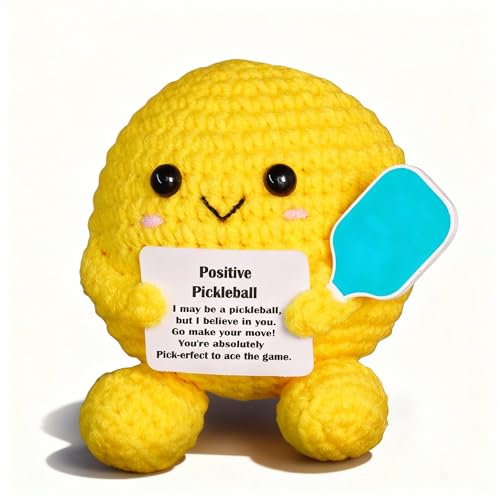
Choosing comfortable shoes with good lateral support is the first step since quick side-to-side moves stress ankles. I pick lightweight, breathable sneakers designed for court sports. For paddles, I recommend starting with a mid-weight composite paddle for control and power balance. Pickleballs come in indoor and outdoor versions; select based on where you play to adjust for wind and surface. Lastly, wear moisture-wicking clothes to stay cool during intense rallies.
Basic Rules and Techniques to Know
Understanding the basic rules gets you in the game confidently. Serve underhand, keeping the paddle below the waist, aiming diagonal into the opponent’s service court. The double-bounce rule requires each side to let the ball bounce once after serve before volleys. I focus on mastering dinks—soft shots near the net—to control the pace and set up offensive plays. Footwork is another key; I practice quick shuffle steps to maintain balance and readiness.
Finding Local Pickleball Groups and Courts
Joining local groups accelerates skill-building and keeps motivation high. I use apps and community boards to locate nearby courts and meetups. Many parks and recreation centers run beginner clinics or social sessions that welcome all levels. Participating regularly in these groups helped me gain court experience and meet players who share my passion for fitness through pickleball.
Conclusion
Pickleball has truly surprised me with how much it offers beyond just a fun game. It’s a workout that fits into my lifestyle without feeling like a chore. Whether you’re looking to boost your fitness, meet new people, or just enjoy some time outdoors, pickleball checks those boxes.
I’ve found that the mix of movement and social connection keeps me coming back. If you’re curious about a fresh way to stay active, give pickleball a try—you might just find it’s the perfect fit for you too.
