If you’re new to pickleball, the scoring system might seem a bit confusing at first. I remember feeling overwhelmed when I started, but once I got the hang of it, keeping track of points became second nature. The good news is that pickleball scoring is pretty straightforward once you know the basics.
Understanding Pickleball Basics
Pickleball combines elements of tennis, badminton, and ping-pong, making it fast-paced yet accessible. Mastering its basics lays a strong foundation for enjoying the game and grasping the scoring quickly.
Overview of Pickleball Rules
I find that understanding the core rules clears up much confusion at the start. Pickleball is played with two or four players on a badminton-sized court with a low net. Each side serves diagonally and alternates serve after scoring points. To win a game, a team must reach 11 points and lead by at least 2 points. The double bounce rule requires both teams to let the ball bounce once after serve before volleys happen, which slows down fast exchanges and adds strategy. Knowing these rules helps prevent common mistakes and improves gameplay.
Equipment Needed for Pickleball
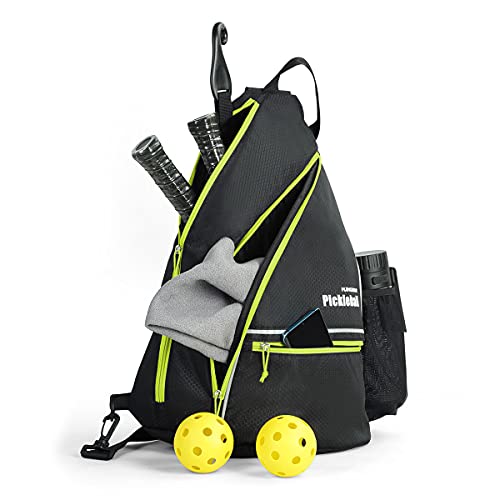
Having the right gear boosts confidence and comfort on the court. Pickleball paddles are smaller than tennis rackets but vary in weight and grip size; I recommend trying a few to find one that suits your style. The plastic perforated ball is unique and easier to control indoors or outdoors. Court shoes with good grip and support reduce injury risks and enhance movement. Proper equipment makes playing more enjoyable and lets you focus on scoring and tactics.
How Pickleball Scoring Works
Understanding pickleball scoring clarifies gameplay and keeps matches enjoyable. I’ll break down the points system and explain serving and scoring rules to help you play with confidence.
Points System Explained
Pickleball uses rally scoring with points awarded only to the serving side. Each game goes to 11 points, but the winner must lead by at least 2 points. Matches often follow a best-of-three games format. I find keeping track of points gets easier when you remember the sequence and the need for a clear 2-point advantage to win.
Serving and Scoring Rules
Serving always starts from the right side of the court and must land diagonally opposite. You score points only when you’re serving. If your team loses the rally, the serve passes to your partner or the opposing team. The server’s score is always called first, followed by the receiver’s and then the server number (1 or 2) to avoid confusion. This consistent calling helps me and my students track the score seamlessly during fast rallies.
Keeping Track of the Score
Tracking the score keeps the game clear and competitive. Understanding how to call and follow scores helps avoid confusion and makes the game more enjoyable for everyone on the court.
Proper Score Calling
Proper score calling starts with announcing the server’s score first. I always say the “server’s score – receiver’s score – server number,” like “3-2-1.” Saying the server number (1 or 2) tells which server is serving in doubles play. Calling the score consistently after every point ensures everyone stays on the same page, especially during fast exchanges. Remember, only the serving side can score points, so the score changes only when the serving team wins a rally.
Common Scoring Mistakes to Avoid
Common scoring mistakes include mixing up the server and receiver scores or forgetting to announce the server number in doubles. I’ve seen players call scores like “two-three” instead of “three-two,” which causes confusion. Another mistake is assuming points are earned on the opponent’s serve; pickleball awards points only when serving. Avoid skipping score calls between points—it’s easy to lose track without consistent updates. Sticking to the correct sequence and clear calls keeps matches running smoothly.
Tips for Beginners to Master Scoring
Mastering pickleball scoring takes focus and practice. I’ve found that developing good habits early helps keep every game clear and competitive.
Practice Strategies
Start by playing short games focused only on scoring. Track points out loud with your partner or opponent, calling the server’s score first to build confidence. Drill specific scenarios, such as when to switch servers or how to handle deuce situations. Use practice matches to get comfortable announcing scores quickly without hesitation. Repeating these routines makes scoring second nature when game speed picks up.
Using Scorekeeping Tools
Use simple tools like scorecards, apps, or even a whiteboard to help keep an accurate tally during practice sessions. Scorekeeping apps designed for pickleball often remind you of the proper calling order and server number. When you train with visual aids, it’s easier to avoid common mistakes, like mixing up scores or forgetting whose turn to serve next. Over time, you won’t need these aids, but keeping them handy can fast-track your learning curve.
Conclusion
Getting comfortable with pickleball scoring might seem tricky at first, but it really clicks once you spend some time on the court. The key is to keep practicing and stay consistent with calling the score out loud.
Remember, the more you play and focus on these basics, the more natural it becomes. Soon enough, you’ll be enjoying the game without worrying about the numbers and just having fun with every rally.