
Pickleball has taken the sports world by storm, and its logos have become symbols of a vibrant and growing community. Each design tells a story about the game’s spirit, history, and the people who play it. We’ve all seen those eye-catching logos on paddles, courts, and apparel, but have you ever wondered what inspired their unique looks?
In this article, we’ll dive into the creative process behind some of the most popular pickleball logos. From bold colors to clever imagery, these designs capture the energy and fun of the sport. Join us as we explore how these logos came to life and what they represent for players everywhere.
The Evolution of Pickleball Logos
The journey of pickleball logos mirrors the growth of the sport itself. We see how these symbols have transformed alongside our expanding community and evolving play styles.
Early Logo Designs and Their Inspirations
Early pickleball logos focused on simple elements like paddles and balls, capturing the basics of our game. Designers drew inspiration from tennis and badminton logos since pickleball combines aspects of both sports. The use of straightforward shapes and minimal colors reflected the sport’s humble beginnings in local parks and backyards. These logos communicated accessibility, inviting players of all ages and skill levels to join in the fun.
Key Changes Over the Years
Logos shifted to bolder colors and dynamic forms as pickleball’s popularity surged. We noticed more energetic designs incorporating motion lines and stylized paddles to symbolize speed and agility. The emphasis moved from just equipment to the player experience, highlighting rallying, teamwork, and community spirit. Modern logos often use vibrant color palettes—yellows, blues, and oranges—to evoke excitement and approachability. These updates echo our growing desire to showcase pickleball as both a competitive sport and a social activity.
Symbolism in Pickleball Logo Elements
Pickleball logos use carefully chosen elements that speak to the sport’s energy and culture. We recognize how color choices and visual symbols capture what pickleball truly means to players like us.
Colors and Their Meanings
Bold, vibrant colors dominate pickleball logos because they match the game’s lively pace. Bright oranges and yellows represent the fast-moving pickleball itself, sparking energy and excitement. Blues and greens often evoke outdoor courts and community, reflecting the social aspect many players enjoy. Using contrast in these colors draws attention to the logo, just as quick reflexes draw us into the game. These hues create a welcoming vibe, encouraging new players to join and feel part of the sport’s family.
Iconography and Visual Motifs
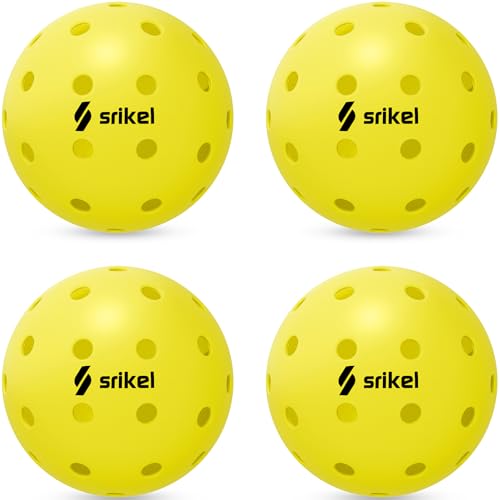
Paddles and balls feature prominently in pickleball logos because they are the sport’s core equipment. Often, logos incorporate dynamic lines or swooshes to show motion, echoing the quick exchanges we experience during rallies. Some designs include net imagery or court outlines, grounding the logo in the game’s environment. Visual motifs like circular shapes suggest the ball’s spin and movement, reinforcing the idea of flow and strategy on the court. These icons create instant recognition and resonate with players at all skill levels, symbolizing the shared passion we have for pickleball.
Influential Designers and Their Contributions
Pickleball’s logos owe much to skilled designers who understood the sport’s spirit and growth. Their work shapes how we see and connect with pickleball, reflecting its energy and community values through visual storytelling.
Notable Logo Creators in Pickleball History
Several designers stand out for crafting iconic pickleball logos that capture the game’s soul. Steve Parry, a graphic artist and pickleball player, helped pioneer early logos that combined simple paddle and ball imagery with approachable design. His work laid the foundation for broader recognition. Later, Lisa Nguyen infused more vibrant colors and flow into logos, emphasizing motion and the sport’s fast pace. Her designs helped shift pickleball branding toward excitement and inclusivity, appealing to players from beginners to pros. Additionally, the team at Pickleball Central collaborated on community-driven logos, incorporating player feedback to make the images resonate on a personal level. These creators shaped the visual identity by blending athleticism and fun.
Design Process and Challenges
Designing pickleball logos involves balancing clarity, vibrancy, and symbolism within small formats. Designers start by sketching elements central to the sport—paddles, balls, and court outlines—and test how these interact with color choices that evoke energy and friendliness. One challenge includes making the logos legible across different sizes, from large banners to small gear tags, while maintaining visual impact. Another sits in representing pickleball’s dual nature as a competitive game and social pastime, requiring logos that look dynamic without losing approachability. Throughout the design process, input from players shapes iterations, ensuring logos reflect how we feel on the court: energized, connected, and eager to play more.
The Impact of Logo Designs on the Sport’s Popularity
Logos shape how players and fans connect with pickleball. They create a visual identity that helps grow the sport’s reach and build community pride.
Branding and Fan Engagement
Pickleball logos act as symbols for players and fans to rally behind. Consistent branding makes it easier for new players to recognize and feel welcome in the sport. Vibrant logos on courts, signage, and digital platforms grab attention and spark curiosity. When logos reflect the fun and energy of pickleball, they strengthen emotional ties. That connection encourages players to stay involved, join clubs, and cheer at events. Well-designed logos also boost social media sharing, helping us spread our love for pickleball worldwide.
Merchandise and Marketing Influence
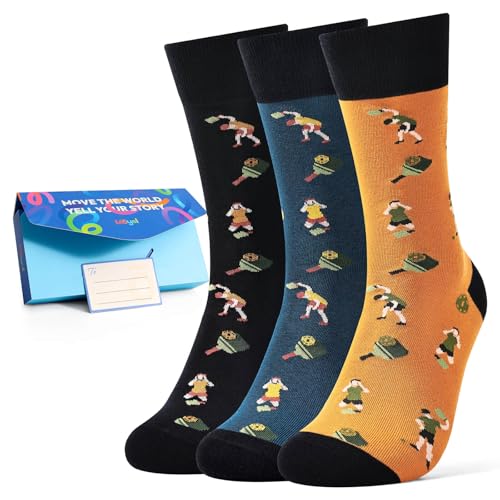
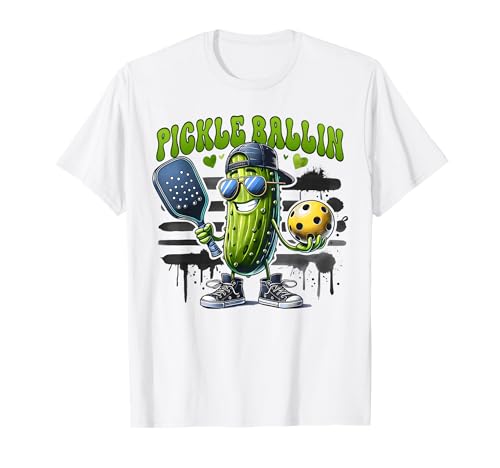
Merchandise featuring pickleball logos drives the sport’s visibility both on and off the court. Apparel, paddles, bags, and accessories with iconic designs let players show pride and spark conversations. Quality merchandise creates a sense of belonging and identifies players as part of the broader pickleball community. Marketing campaigns use logos to unify messaging and build excitement for tournaments and new gear. As more people wear and share branded items, pickleball’s popularity expands, drawing fresh players and growing local and national support.
Conclusion
Pickleball’s logos do more than just look good—they tell a story about who we are as a community and how the sport has grown. Each design captures the spirit, energy, and inclusiveness that make pickleball so special to us all.



As the sport continues to evolve, these logos will keep inspiring players and fans alike, reminding us that pickleball is about connection, fun, and shared passion. We’re excited to see how future designs will reflect the next chapter in pickleball’s journey.
