
Picking the right pickleball gear can be overwhelming with so many options out there. Whether we’re beginners or seasoned players, having the right equipment makes all the difference in our game and enjoyment.
That’s where comparison charts come in handy. They help us quickly see how paddles, balls, and other gear stack up against each other in terms of price, quality, and features.
Overview of Pickleball Equipment
Understanding pickleball equipment helps us choose gear that improves our game and keeps us playing longer. Breaking down the essentials and types of equipment makes the selection process simpler and more effective.
Essential Pickleball Gear
We rely on a few key pieces of gear to play well and stay comfortable on the court. Paddles are the heart of our equipment — they vary in weight, grip size, and material, affecting power and control. Balls come next, differing mainly by indoor or outdoor use, durability, and bounce consistency. Shoes designed for court sports protect our feet and enhance movement, while appropriate clothing offers flexibility and breathability. Accessories like paddle covers and grips maintain equipment quality and tailor our gear to personal preferences.
Types of Pickleball Equipment
Pickleball equipment falls into a few clear categories that cover all aspects of gameplay and practice. Paddles split into graphite, composite, and wood, each with unique feel and durability. Balls come as either polymer or plastic varieties specified for varying court surfaces. Footwear involves court shoes with good lateral support to handle quick direction changes. Nets and court markers complete the setup, ensuring gameplay meets official standards. Training aids like practice balls and ball machines help us sharpen skills efficiently.
Importance of Using Comparison Charts
We trust comparison charts as essential tools for making informed pickleball equipment decisions quickly and confidently. These charts break down complex information into clear, side-by-side views, helping us focus on what matters most for our game.
How Comparison Charts Simplify Purchases
Comparison charts organize critical equipment details so we can spot differences and similarities instantly. They remove guesswork by showing specs like paddle weight, grip size, and ball durability in one place. For beginners and advanced players alike, charts save time by eliminating the need to sift through countless reviews and product pages. They streamline the selection process, letting us pick gear that fits our style and budget without hassle.
Key Factors Highlighted in Charts
Charts emphasize attributes that influence performance and comfort on the court. Common factors include:
- Paddle Material such as graphite or composite, affecting control and power
- Weight Range measured in ounces, impacting swing speed and fatigue
- Grip Size given in inches, crucial for handling and injury prevention
- Ball Type with polymer or plastic options, dictating bounce and weather resistance
- Price Points helping balance investment with quality
- Durability Ratings based on user feedback or manufacturer testing
Featuring these details side-by-side, comparison charts allow us to weigh pros and cons clearly. This transparency helps us make choices aligned with our playing goals and ensures the equipment supports our skill development.
Detailed Pickleball Paddle Comparison
Choosing the right paddle shapes how well we play and enjoy pickleball. Understanding paddle details helps us pick gear that fits our style and skill level.
Material and Construction
Paddles come mainly in graphite, composite, and wood. Graphite paddles offer lightweight control and crisp shots. Composite paddles balance power and touch with textured surfaces. Wood paddles, though heavier, provide durability for beginners or casual play. Paddle cores usually use polymer, nomex, or aluminum honeycomb. Polymer cores absorb vibration for comfort. Nomex cores give a harder feel with more pop. Aluminum honeycomb cores deliver a mid-range response. Matching core and surface material to our play style sharpens performance.
Weight and Grip Options
Paddle weight affects maneuverability and power. Lightweight paddles range between 6.5 to 7.3 ounces, favoring quick reactions and extended play without fatigue. Midweight paddles span 7.3 to 8.4 ounces and suit versatile players needing balance. Heavier paddles exceed 8.5 ounces, adding power but reducing agility. Grip sizes generally range from 4 to 4.5 inches in circumference. Smaller grips improve wrist mobility and spin control while larger grips offer stability and reduce strain. Selecting the right grip size prevents injuries and enhances precision.
Performance and Durability
Paddle performance hinges on material quality, construction, and design. Graphite paddles excel in touch and speed but cost more. Composite paddles provide good all-around performance for varied skill levels. Wood paddles last longer under rough use but lack finesse. Paddle durability links to surface finish and core integrity. Textured surfaces improve ball spin but may wear faster outdoors. Sealed edges protect cores from damage during impact. Regularly checking paddle condition extends gear life and maintains consistent play quality.
Pickleball Ball Comparison
Choosing the right ball shapes the way we play, trains our skills, and sharpens our tactics. Understanding ball options helps us match gear to the setting and our goals.
Material Differences and Impact on Play
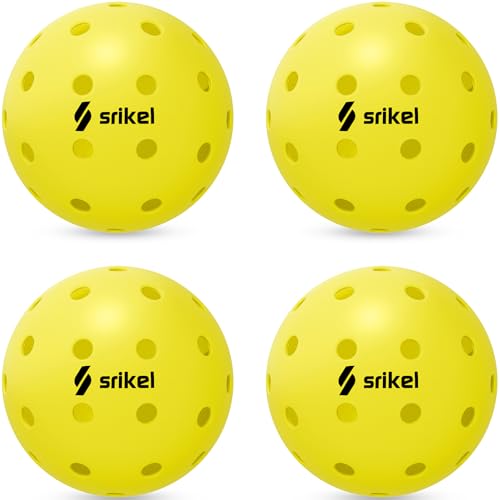
Pickleball balls come mainly as polymer or plastic types. Polymer balls use a softer, flexible material that reduces bounce. We find these balls deliver smooth, controlled shots that help refine accuracy and placement. Plastic balls, often harder and more rigid, generate higher bounce and faster speed, boosting power and rally tempo. We focus on how ball texture influences grip on the paddle and flight stability since these factors impact spin and control during play.



Indoor vs. Outdoor Balls
Indoor balls feature larger holes—typically 40—to slow the ball and maintain a predictable flight indoors. We notice their weight and hole pattern produce quieter hits, suited for gym acoustics and hardwood courts. Outdoor balls have smaller, about 26 to 40 holes, which minimize wind interference and improve durability against rougher surfaces like asphalt. We balance the ball’s hardness and hole design with court type to optimize bounce consistency and ball lifespan.
Pickleball Net and Court Accessories Comparison
We know that a quality net and proper court accessories make a difference when setting up a great pickleball experience. Let’s explore the main options for nets and court markings to help us pick the gear that suits our playing style and training needs.
Net Types and Features
Different nets offer unique benefits depending on where and how we play. Here are common net types and their features:
- Portable Nets: Lightweight frames, usually made from aluminum or steel, with easy setup in under 5 minutes. Ideal for backyard play and practice sessions where permanent installation isn’t possible. They fold or collapse into carry bags for transport.
- Permanent Nets: Heavy-duty construction mounted on fixed poles. Best for outdoor courts or dedicated indoor spaces. Offer steady tension and durability for frequent, intense play.
- Tournament-Grade Nets: Meet official specifications of 36 inches height at sidelines and 34 inches at center, with mesh sizes around 14mm. These nets provide consistent ball bounce and tension regulation required in competitive matches.
- Adjustable Nets: Feature height and tension controls to customize for different player preferences or training drills. Help replicate real-game conditions or focus on specific shot techniques.
Choosing nets with UV-resistant materials and weatherproof coatings extends life, especially for outdoor courts exposed to sun and rain.
Court Markings and Accessories
Well-marked courts and quality accessories support accuracy in shots and adherence to rules during play:
- Court Lines Tape & Paint: Durable, non-slip tape or specialized court paint defines boundaries with high contrast colors (usually white or yellow). Tape provides easy reapplication for temporary setups; paint offers long-lasting precision for permanent courts.
- Post Anchors and Base Plates: Secure net posts firmly to prevent movement during intense rallies. Types include ground sleeves for in-ground installation and weighted bases for portable nets.
- Ball Holders and Storage Racks: Keep balls organized and accessible during practice. Types vary from clip-on racks attached to nets to freestanding baskets for multiple balls.
- Wind Screens and Shade Canopies: Enhance play comfort by reducing wind interference and offering shade in outdoor venues. They attach to fencing surrounding the court and come in various sizes and materials.
- Scoreboards: Manual or digital scoreboards help track points, especially in training sessions where focus on scoring patterns improves tactics.
Matching these court accessories to our playing environment and training goals boosts consistency, accuracy, and overall enjoyment on the court.
How to Choose the Right Equipment Based on Comparison Charts
Choosing the right pickleball equipment becomes simple when we use comparison charts to focus on what really matters. We can quickly identify features that align with our skill level, budget, and playing style, making our gear choices smarter and more effective.
Matching Equipment with Skill Level
We pick paddles based on our experience to support continual improvement. Beginners benefit from lightweight paddles with larger grip sizes, offering better control and reducing strain. Intermediate players look for paddles with balanced weight and materials like composite for a mix of power and control. Advanced players often choose graphite paddles for enhanced responsiveness and precision, matching aggressive playstyles. Balls differ too: softer polymer balls suit skill training with controlled shots, while faster, more durable plastic balls challenge higher-level rallies. Shoes designed for court sports prevent injuries and improve mobility, with beginners selecting cushioned options and experienced players opting for stability features.
Budget Considerations
We balance cost with quality by using comparison charts to spot affordable options without sacrificing performance. Entry-level equipment covers basic needs and helps beginners start confidently. Mid-range gear typically offers better durability and features that support skill growth. High-end equipment suits players committed to competitive play, featuring advanced materials and customization. Comparing price points alongside durability ratings and customer reviews prevents overspending on unnecessary extras while ensuring long-term value. Accessories like nets, ball holders, and court markers also fit different budgets, letting us create the ideal playing environment within our means.
Conclusion
Choosing the right pickleball equipment doesn’t have to be overwhelming. With well-organized comparison charts, we can quickly pinpoint the gear that fits our playing style, skill level, and budget. These tools help us make smarter decisions and get the most out of every game.
By paying attention to the details that matter—like paddle weight, ball type, and shoe support—we set ourselves up for better performance and more fun on the court. Let’s keep exploring and experimenting with different gear until we find what feels just right for us.
