
Jumping into pickleball can feel a bit overwhelming with all the new words flying around. From “dinks” to “kitchen,” the lingo might sound like a secret code at first. But don’t worry, we’ve got your back.
Essential Pickleball Terms Every New Player Should Know
Understanding pickleball’s key terms unlocks the game’s rhythm and strategy. Let’s break down vital concepts that shape our play and improve our skills.
Court Layout and Boundaries
The kitchen, or non-volley zone, spans 7 feet on both sides of the net. We avoid volleys here to keep rallies fair and prevent rushable smashes. The baseline marks the farthest back boundary on each court side; it limits where we can stand during service and play. The sidelines define the court’s width for singles and doubles—with doubles courts wider by 10 feet, giving us varied spaces to cover. The service court lies between the kitchen line and baseline, split by the centerline; we serve diagonally into this area. Knowing the centerline helps us avoid stepping faults during serve and volleys.
Equipment and Paddle Terms
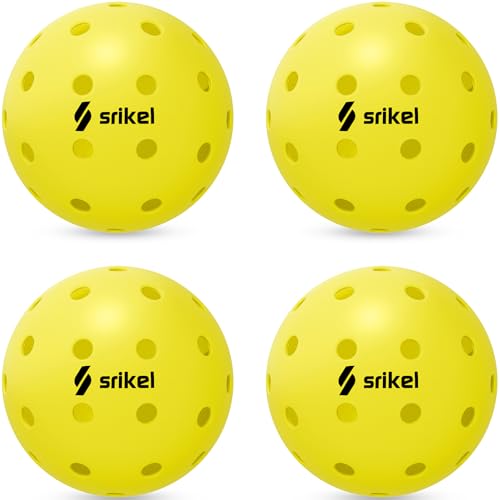
Our paddle choices shape shot control. A paddle face refers to the striking surface; paddles with rough faces create more spin. The paddle grip size influences wrist freedom and comfort; small grips favor wristy shots, while larger grips offer stability. The pickleball ball measures 2.87 inches in diameter and has holes; indoor balls have larger holes for slower play. Paddle edge guards protect the paddle perimeter from damage during intense rallies. Familiarity with our equipment ensures confident swings and better tactical choices on the court.
Common Gameplay Terminology
Understanding core gameplay terms helps us follow matches and improve our skills quickly. We explore key vocabulary related to scoring, game structure, and essential shots to get a solid grasp of pickleball’s flow.
Scoring and Game Structure
Pickleball scoring uses rally points, where only the serving team can score. Each game usually plays to 11 points, and a team must lead by at least 2 points to win. Matches often consist of best-of-three games.
Points start with the correct serve, which occurs diagonally into the opponent’s service court behind the baseline. Each player serves until a fault—like hitting the ball out of bounds or into the kitchen on a volley—ends their turn. Then, the serve passes to the other team.
The serve sequence involves two players per side in doubles. The first server on a team serves from the right service court. After scoring, service switches to the left court, alternating until a fault. This side-to-side serving continues until both players lose their serves, then the other team serves.
We track the score by announcing it in three numbers: serving team’s score, receiving team’s score, then server number (1 or 2). For example, “5-3-1” means the serving team has 5 points, opponents have 3, and the first server is serving.
Shots and Strokes Explained
Mastering shot types enhances control and strategy. Here are primary strokes we’ll use regularly:
- Serve: Initiates play with an underhand hit diagonally crosscourt. We aim for deep placement to pressure opponents.
- Return: The first shot the receiving team hits after serve. A solid return sets an offensive tone.
- Volley: Hitting the ball before it bounces, usually at or near the net. Volleys require quick reflexes and precise paddle angles.
- Dink: A soft, controlled shot landing just past the kitchen line in the opponent’s non-volley zone. Dinks create tactical openings by forcing opponents to move forward.
- Groundstroke: A baseline or mid-court shot hit after the ball bounces once. Groundstrokes deliver power and consistency from the backcourt.
- Drive: A fast, flat shot aimed to pass opponents or force an error. Drives can pressure defenses during rallies.
- Lob: A high, arching shot sent deep to the baseline, often to reset the point or push opponents back.
Each stroke serves a strategic purpose. Understanding when and how to execute them sharpens our gameplay and helps us outmaneuver opponents.
Terms Related to Rules and Etiquette
Understanding pickleball’s rules and etiquette makes playing more enjoyable and fair for everyone involved. These terms help new players navigate common scenarios during matches.
Serving Rules and Faults
Serving starts each point, so knowing the rules ensures smooth gameplay. Serves must be underhand and hit below the waist, landing diagonally in the opponent’s service court. We stand behind the baseline while serving, moving only after the ball is struck. Faults happen if the serve lands out of bounds, hits the net without landing in the proper court, or if the server steps into the court before contact. Double faults occur when both players or teams on the serving side commit faults consecutively, handing the serve to their opponents. Let serves that touch the net but land in the correct area get replayed without penalty.
Sportsmanship and Communication
Good sportsmanship keeps the pickleball community welcoming and respectful. Calling lines honestly, congratulating opponents on good shots, and accepting calls graciously create a positive atmosphere. Communication between doubles partners includes calling shots like “yours” or “mine” and signaling intentions for plays like poaching. We encourage using a friendly tone and clear gestures to reduce confusion and build teamwork. Avoiding arguments over calls helps maintain game flow and enjoyment for all players.
Tips for Learning and Using Pickleball Terminology
Start by focusing on key terms that appear frequently during gameplay, such as “dink,” “kitchen,” and “serve.” Memorizing these helps us understand instructions and follow matches more easily. Practice using terms during play so they become natural parts of our communication on the court. Watching professional matches or instructional videos enhances our exposure to the terminology in real situations.



Create flashcards with terms and definitions to review regularly. Join local clubs or online forums where we can ask questions and hear the language in action. Use terms when discussing strategy with partners to deepen understanding and improve teamwork.
Embrace mistakes as part of the learning process. Clarify unfamiliar terms promptly to avoid confusion during games. The more we use and hear pickleball vocabulary, the faster it becomes second nature, boosting our confidence and performance.
Conclusion
Getting comfortable with pickleball terminology opens up a whole new level of enjoyment and confidence on the court. As we keep playing and practicing, these terms will start to feel like second nature, helping us communicate better and make smarter plays.
Remember, learning the language of pickleball is part of the fun. The more we immerse ourselves in the game and connect with others, the quicker we’ll master the lingo and the sport itself. Let’s keep the momentum going and enjoy every moment out there!
